
Top 10 Proven Tips for Launching a Home Services App in the USA
- Kevin Owen

- Jul 20
- 4 min read
Introduction
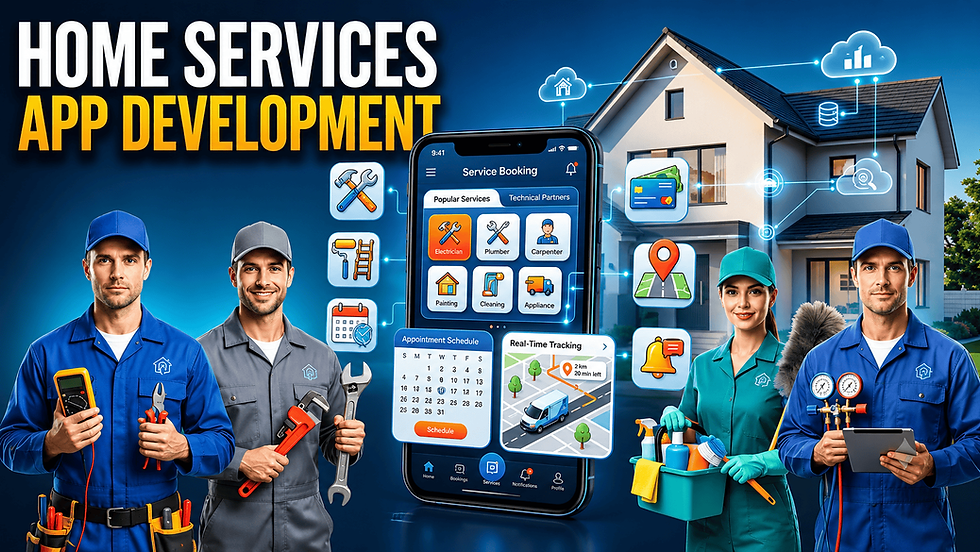
The USA home services sector is undergoing rapid digitalization as many people choose mobile apps to find reliable contractors to assist with cleaning, plumbing, electrical works, landscaping, HVAC service, home repairs, etc. Taking into account the increasing need for a convenient and efficient way of getting services online, many businesses develop special software that will make their lives easier. Hence, home services app development has become a valuable choice for any startup or existing company.
At the same time, building a home services app requires much effort. Indeed, from finding out what kind of audience will use the app to how the business model will be chosen, and which payment gateway will be integrated, all these factors matter greatly. That is why in this article, we would like to share with you the top 10 tips to launch a home services app in the USA.
1. Identify Your Target Market
Before development begins, define your ideal audience and the services your platform will offer.
Popular home service categories include:
House cleaning
Plumbing
Electrical services
HVAC maintenance
Home repairs
Landscaping
Pest control
Appliance repair
Understanding customer needs helps create a focused and competitive platform.
2. Choose the Right Business Model
Selecting the right business model determines how your app generates revenue and manages service providers.
Popular models include:
Commission-based marketplace
Subscription plans
Service booking fees
Featured listings
Membership programs
A sustainable monetization strategy supports long-term business growth.
3. Build a User-Friendly Experience
A simple and intuitive interface encourages customers to book services quickly.
Focus on features like:
Easy registration
Simple service search
Quick booking
Real-time status updates
Smooth checkout process
Excellent UI/UX design improves customer satisfaction and retention.
Learn More About Home Services App Development
Planning to launch your own home services platform?
To know more about this, click the video link below and explore the latest technologies, development strategies, and best practices for home services app development.
4. Include Real-Time GPS Tracking
Location-based services improve transparency and convenience for both customers and service providers.
GPS functionality enables:
Live technician tracking
Route optimization
Accurate service location
Estimated arrival times
Service history tracking
Real-time tracking builds customer trust and improves operational efficiency.
5. Offer Secure Payment Options
Customers expect flexible and secure payment methods.
Include payment options such as:
Credit and debit cards
Digital wallets
Online banking
In-app payments
Contactless payments
Secure payment gateways enhance user confidence and reduce transaction risks.
6. Enable Ratings and Reviews
Customer feedback helps maintain service quality and builds credibility.
Benefits include:
Transparent provider ratings
Verified customer reviews
Improved customer trust
Better service provider accountability
Reviews also help users make informed booking decisions.
7. Develop Separate Customer and Provider Panels
A successful home services platform should provide dedicated dashboards for customers and service professionals.
Customer panel features:
Service booking
Payment management
Booking history
Notifications
Provider panel features:
Job requests
Schedule management
Earnings dashboard
Customer communication
Separate interfaces improve overall platform efficiency.
8. Integrate AI and Automation
Artificial Intelligence can significantly improve user experience and business operations.
AI features include:
Personalized service recommendations
Intelligent scheduling
Automated customer support
Dynamic pricing
Predictive maintenance insights
AI helps streamline operations while increasing customer satisfaction.
9. Prioritize Security and Scalability
Protecting customer information is essential for building a trusted platform.
Security best practices include:
Data encryption
Multi-factor authentication
Secure cloud infrastructure
Privacy compliance
Regular security updates
Scalable architecture also ensures your platform can support future growth.
10. Launch an MVP and Improve Continuously
Instead of building every feature at once, launch a Minimum Viable Product (MVP) with essential functionality.
Benefits of an MVP include:
Faster time to market
Lower development costs
Real user feedback
Easier feature prioritization
Continuous product improvement
An MVP allows businesses to validate their idea before making larger investments.
Essential Features Every Home Services App Should Have
To remain competitive, your app should include:
User registration and login
Service categories
Advanced search and filters
Real-time booking
GPS tracking
Secure payments
Ratings and reviews
Push notifications
In-app chat
Admin dashboard
These features create a seamless experience for customers and service providers alike.
Benefits of Investing in Home Services App Development
Businesses can gain several advantages through home services app development, including:
Increased customer reach
Improved operational efficiency
Automated booking management
Higher customer retention
Better revenue opportunities
Enhanced brand visibility
Real-time service management
Data-driven business insights
A well-designed app helps businesses scale efficiently while delivering exceptional customer experiences.
Future Trends in Home Services Apps
The home services industry continues to evolve with emerging technologies such as:
AI-powered scheduling
Voice assistant integration
IoT-enabled home maintenance
Predictive service recommendations
Augmented Reality (AR) support
Contactless service management
Smart home integration
Advanced analytics dashboards
These innovations are shaping the future of on-demand home services.
Conclusion
Starting a successful home service application involves planning, technology, and user-experience strategies. The choice of the most suitable business model, payment methods, use of AI technologies, GPS, and cloud computing all go towards making the development of home services apps a success. With the help of these effective tips and the constant development of your application depending on customers' suggestions, you will be able to create a successful and efficient application that helps your business grow and prosper in the U.S. market.


Comments